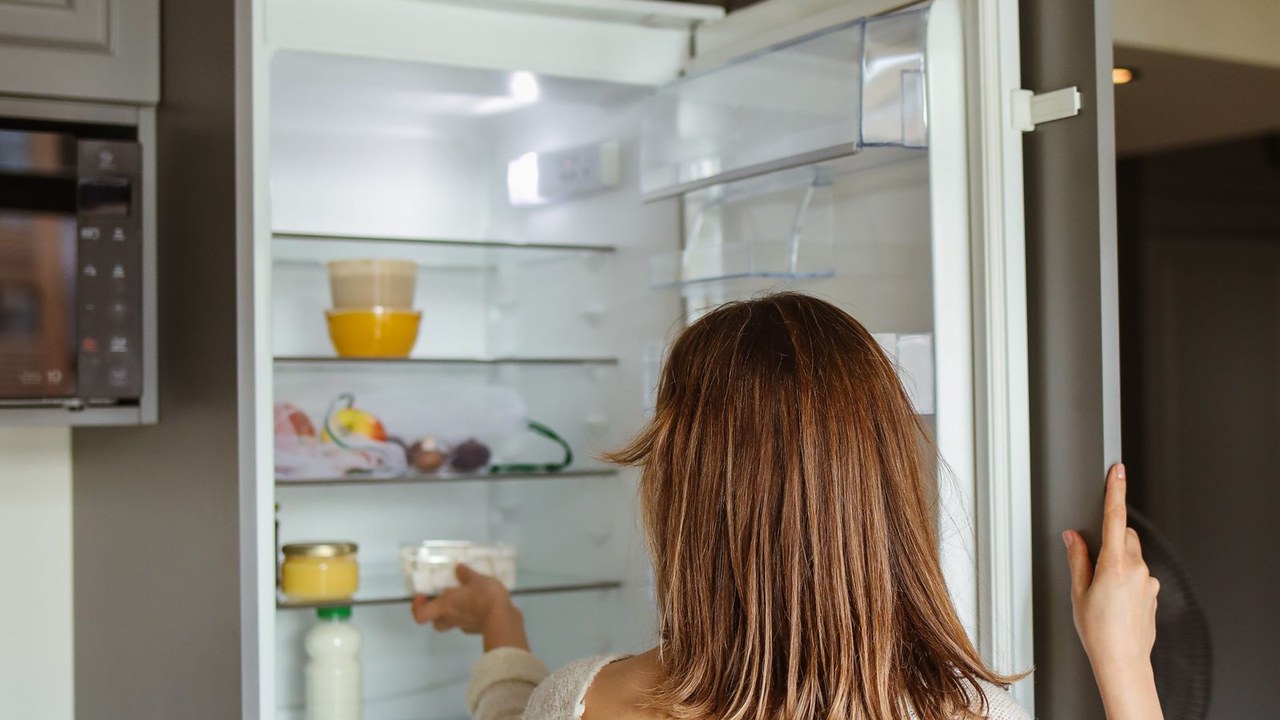
Stop putting these things in the refrigerator.
Many people have an obsession that they feel that everything will be fine if they throw the purchased ingredients into the refrigerator, but this is actually a huge misunderstanding. In fact, some foods will not only taste worse in low-temperature environments, but will even accelerate deterioration, and even produce chemical changes that are unfavorable to the body. For example, Tomato will become thin and tasteless in the refrigerator, and Bread will quickly dry and hard. These 13 common foods really don't need to occupy your precious refrigerated space. Simply leave them on the Kitchen Counter or storage room to preserve their original flavor and nutrition.
These vegetables and fruits will suffer in the freezer
The first thing to talk about is Tomato. Many people are accustomed to putting tomatoes in the cold storage layer at random, but low temperatures will destroy their cell walls and make the pulp look like powder. The fresh, sweet and juicy taste will be lost in an instant. To be honest, placing it in a cool place at room temperature can allow it to continue to mature and make it more delicious. Potato is also a typical "anti-refrigerator" player. Low temperatures convert the starch in potatoes into sugar, which not only makes the potatoes taste strangely sweet, but also easily produces more acrylamide when cooked at high temperatures. It is recommended to place potatoes in ventilated paper bags so that they do not see the light, let alone put them in the refrigerator.
There are also Onion and Garlic. Onions can become soft and even moldy in the humid environment of the refrigerator; garlic can easily sprout in the refrigerator or become as tough as rubber. The best way is to keep them in a dry, ventilated place. As for fruits such as Banana or uncut Melon, refrigeration can hinder their ripening process, banana skins can quickly turn black, and melons better retain antioxidants at room temperature. When ordering, if you find some restaurants that specialize in Fresh Ingredients on this website, you will find that they are actually very particular about the storage of such fruits and vegetables.
Lightning Protection Guide for Dry Goods and Condiments
Honey absolutely does not need to be put in the refrigerator. Honey itself has extremely high sugar content and very little moisture. As long as it is sealed well, it will hardly deteriorate at room temperature. After putting it in the refrigerator, the honey will quickly crystallize (Crystallization) and become like granulated sugar. When you want to drink it, you can't pour it out, which is quite troublesome. The same goes for Coffee (coffee beans or coffee powder). Coffee beans are like sponges, which will madly absorb all kinds of odors in the refrigerator, and will also produce condensed water due to the temperature difference, destroying the originally mellow aroma. If you want to find high-quality Coffee Shop on this site, you will usually find that a truly professional coffee shop will never store beans in a freezer.
It is also a disaster for Bread and various pastries to go into the refrigerator. Many people think that refrigeration can prevent mildew, but in fact, the temperature of the refrigerator will accelerate the retrogradation of starch, making the bread dry and hard, completely losing its soft taste. Unless you need to freeze it for a long time, it is best to store it at room temperature within two days and eat it. In addition, seasonings such as Hot Sauce, which contain a lot of vinegar and salt, will not go bad after being left at room temperature for a year and a half. Instead, they will take up space in the refrigerator and have no practical benefits.
How to obtain ingredients and menu information on this site
Now that you understand the storage characteristics of the ingredients, you will be more judicious when ordering or purchasing. Open the brand page or menu page of this site and you can view the commitment of different brands to freshness. In many restaurants that focus on the Farm to Table concept, the prices on the menu often reflect the cost of storing and transporting ingredients. When viewing the specific Menu, you can pay attention to the following points:
- Check the Ingredients descriptions:If a store emphasizes the use of Vine-ripened Tomatoes, these ingredients are often stored at room temperature to maintain flavor and may cost slightly more than regular fast food.
- Pay attention to the Seasonal Menu:Many seasonal fruits and vegetables are stored at the most suitable temperature and taste the best. Search this site for brand names to see their current seasonal packages.
- Check prices and ingredients:When ordering, if you have requirements for a certain side dish (such as Avocado or Fresh Herbs), it is recommended to read the Add-on price on the menu. Usually, the price of such ingredients that are susceptible to low-temperature damage will fluctuate according to the season.
- Taxes and tips:When ordering food in the United States, whether you're going to Bakery to buy bread or drinking coffee at a Cafe, the menu usually displays the price without tax. Don't forget to add sales tax when checking out. If it's for din-in meals, you usually have to give a Tip of 15%-20% based on the service.
Order wisely and eat more authentic
Understanding these "unspoken rules" for food storage will not only help you save space in the refrigerator, but also make you more professional when choosing a restaurant. When you find that a restaurant's bread crust is crisp and soft, or the tomato salad has a particularly strong flavor, it usually means that they are not "lazy" in storage. To be honest, many times we think takeout is not delicious, probably because the ingredients are ruined by the wrong temperature during transportation or storage. When browsing the latest prices and reviews of various brands on this site, you can also pay more attention to diners 'descriptions of the texture of the ingredients.
Finally, I suggest that everyone develop the habit of cleaning the kitchen storage room regularly. Find a good place on the cabinet for food that doesn't need to be in the refrigerator. If you have questions about the origin of a certain brand's ingredients or the specific Combo (set meal) composition, the safest way is to go directly to the brand page or menu page of this site to check the latest prices and detailed instructions, so that there will be no mistakes when ordering.