Want to make your own Cheeseboard but don't know how to choose cheese? This article compiles common recipe suggestions from overseas supermarkets and restaurants. It will help you recognize the names, taste and approximate price points of various cheeses. It will teach you how to choose and match side dishes. After reading Xiaobai, you can easily get started and no longer have to worry about ordering or paying the bill.
Getting a perfect Cheese Board is actually not that mysterious. The core is four words: use both soft and hard. You don't need to buy the most expensive one. The key is to put together cheeses with different tastes and flavors so that diners can change their appetites between every bite. When ordering in a supermarket or restaurant, you will usually see a dazzling array of English names. The safest starting move is to choose a soft one, a hard one, and a blue or Stinky one.), add a moderate "popular" model, so that the foundation for a plate of cheese is laid.
How to choose cheese? First look at these common varieties
Go to this website and search for the menus of some popular Western brands or supermarkets, and you will find that there are so many types of cheese that you can make a person's head big. To be honest, we don't need to memorize hundreds of names. As long as we identify a few categories, we will know when ordering.
- Brie or Camembert: This type is a typical soft cheese.They are cream-like in texture and smell slightly mushroom-or nutty. When eating, the outer white skin is also edible, and the taste is very smooth.
- Cheddar: This is the safest choice that adults and children can accept.If you see a cheddar marked Aged, it will taste slightly crystalline grains and taste more salty and stronger.
- Gouda: This cheese is slightly sweet, especially Smoked Gouda, which tastes like bacon smoke.
- Blue Cheese: This stuff is usually a "love-hate polarization" existence on the Cheese Board.It has a strong smell, but if you add it with sweet jam, the taste balances out all at once.
When ordering or shopping, if you are not sure about the specific taste, you can open the page of the corresponding brand on this site. Some restaurants will mark the specific grams of Cheeseboard or the origin of the cheese selected. Generally speaking, restaurants will charge according to the size of the platter, which is usually divided into two sizes: Small and Large. Large plates generally contain 4 - 5 types of cheeses.
Don't just stare at the cheese, the supporting role is the soul
There is only cheese on an empty plate that is called "eating dry food", and rich accpanients are the soul of Cheese Board. Choosing the side dishes will not only relieve boredom, but also make the whole dish look very advanced.
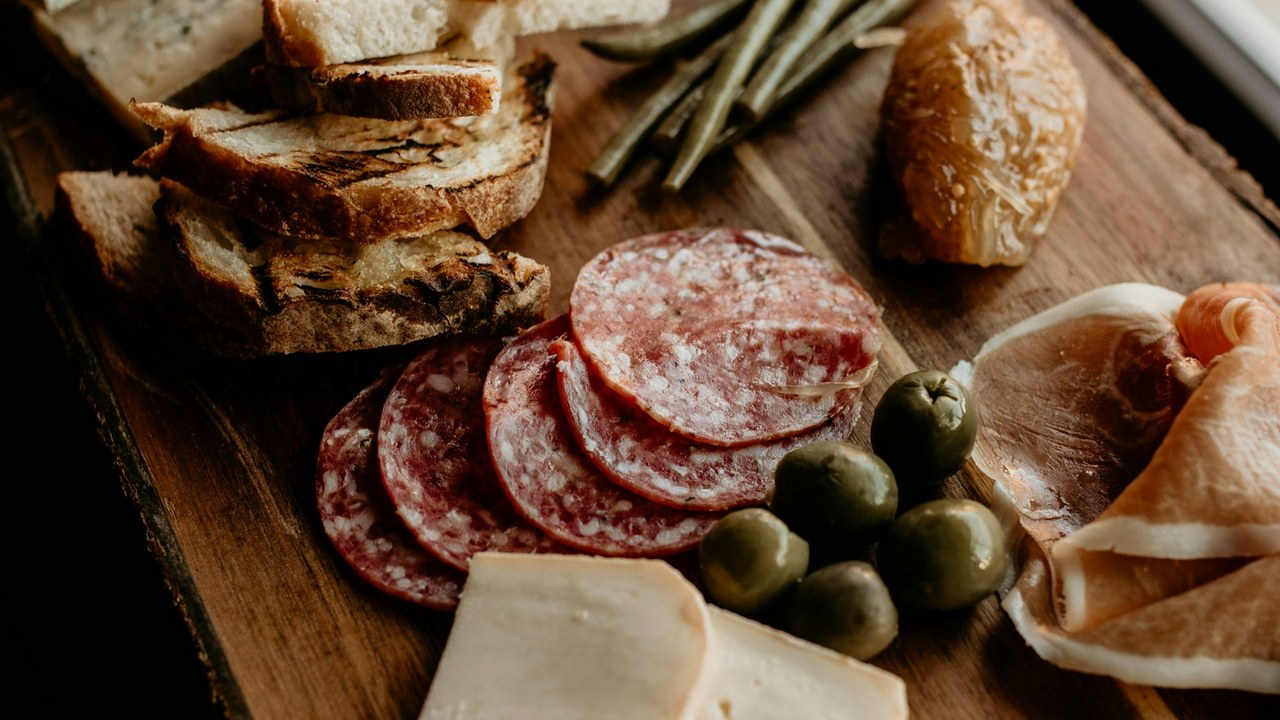
The first is to slice various crackers (biscuits) or French sticks. They are the "base" for carrying the cheese. They should taste crispy, but the taste should not be too dramatic. Next comes sweet flavors such as Fig Jam or Honey, as well as fresh Grapes and Berries. These sweet and sour side dishes can instantly neutralize the greasy feeling of the cheese.
If you want this plate to look more like a meal, add some Charcuterie (cured meat). Prosciutto or Salami are the most classic choices. Finally, sprinkle with a small handful of Marcona Almonds or walnut kernels to improve the texture of the entire dish. Be aware when ordering. Some restaurants charge extra for side dishes. Before ordering, it is best to confirm on the menu whether it is a fixed set meal or a free mix.
Practical experience when ordering and paying for meals
Whether you're ordering ready-made Cheese Board at a restaurant or going to the supermarket to buy ingredients and make your own, the price usually depends on the variety you choose. In restaurants, the unit price of a platter is often not low, because the store has already helped you prepare the flavor matching and setting. In addition to the price on the menu when checking out, don't forget to include Sales Tax and Tip. If the price you find on this site is a reference price, it is usually the basic unit price, excluding these additional expenses.
If you plan to go to a supermarket to buy and make it at home, go to the cheese section of a supermarket like Whole Foods or Trader Joe's. Many times they will provide very small samples or have a special Cheeseboard combo bag, which is suitable for novices. You can search the menu pages of these retail brands on this site first to see which fixed items are on sale, and have an idea before going out.
Pay attention to the label when buying cheese. Some cheeses are priced by pound. The small piece you see on the container may only be 0.3 pounds. Don't be scared by the high price tag. If you go to a restaurant to order, it is recommended to ask if the cheese served that day can be replaced. Some restaurants can replace the blue cheese you don't like with a more secure hard cheese based on your taste.
The charm of Cheese Board lies in its casual nature and there are no absolute standards. Even if you just want to show off at a party, don't be fooled by the complex terminology. It is recommended that you go to our brand page or menu page to check the latest prices before starting to buy or order food.